

Tactus, a San Diego company, makes Elsie, a wheeled humanoid lab assistant with two arms and touch, force, depth and vision sensors. Tactus says Elsie works the instruments a lab already has, under the lab's own validated procedures, instead of replacing them with a new automation line. Around the robot sit fleet orchestration and a library of skills that each lab approves before they go live. What a mobile robot needs underneath is a network it can roam, instruments it can reach, and a lab system that knows what it did. Building that is where we come in.
Last reviewed October 2026. Capabilities, skills and availability are set by Tactus and can change. This page is based on Tactus's printed materials and its ADLM 2026 announcement; we confirm what applies to your lab, instruments and procedures before any project.
Monitors, transports, loads and unloads on the equipment you already run, without retooling the lab.
Each skill is validated against your procedures and goes live only when your quality team approves it.
Wi-Fi coverage, segmentation, instrument connectivity and LIS integration in place before the robot arrives.
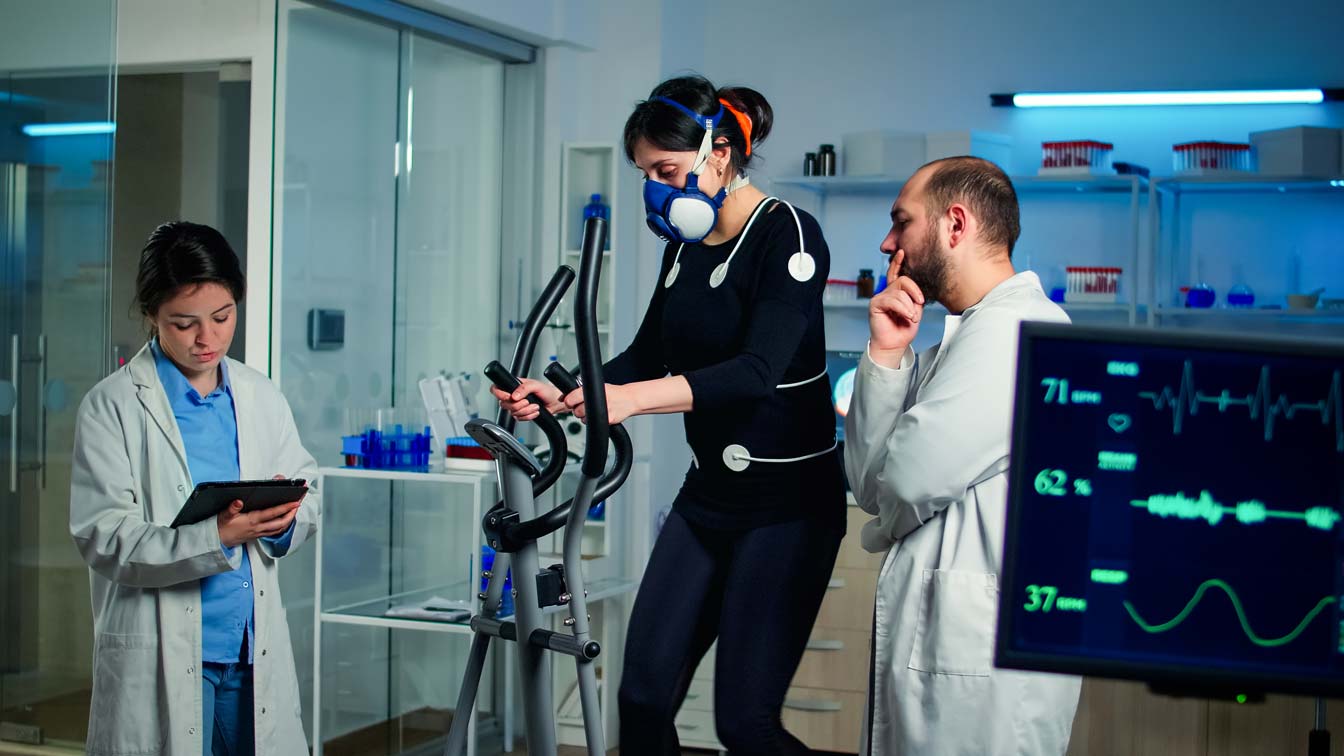
Tactus describes four jobs for Elsie: it monitors instrument state and escalates exceptions, transports samples between benches and instruments, operates instruments by loading and unloading samples, reagents and consumables for continuous runs, and services them with first-line troubleshooting in support of field service. It is designed to work safely alongside staff, not behind a cage.
What we do: walk the floor with you, list the tasks that eat technologist time (overnight loading, sample runs between rooms, instrument babysitting), and pick the first ones worth automating.
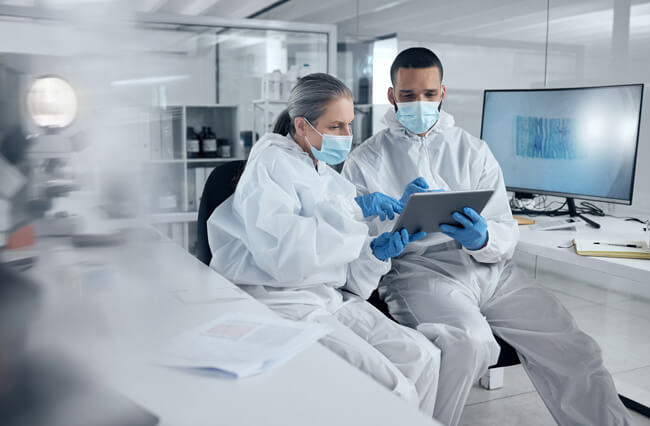
Elsie's capabilities come from a skill library: validated, licensable skills such as barcode reading, autonomous navigation, sample delivery and instrument tasks. Tactus reports that it builds a digital twin of the bench to train and stress-test a skill in simulation, certifies it against the customer's SOPs, and runs nothing live until the customer's quality team approves it.
What we do: map each skill to the SOP it touches, keep the change record and test evidence your accreditation needs, and make sure every action the robot logs lands somewhere your lab can audit.
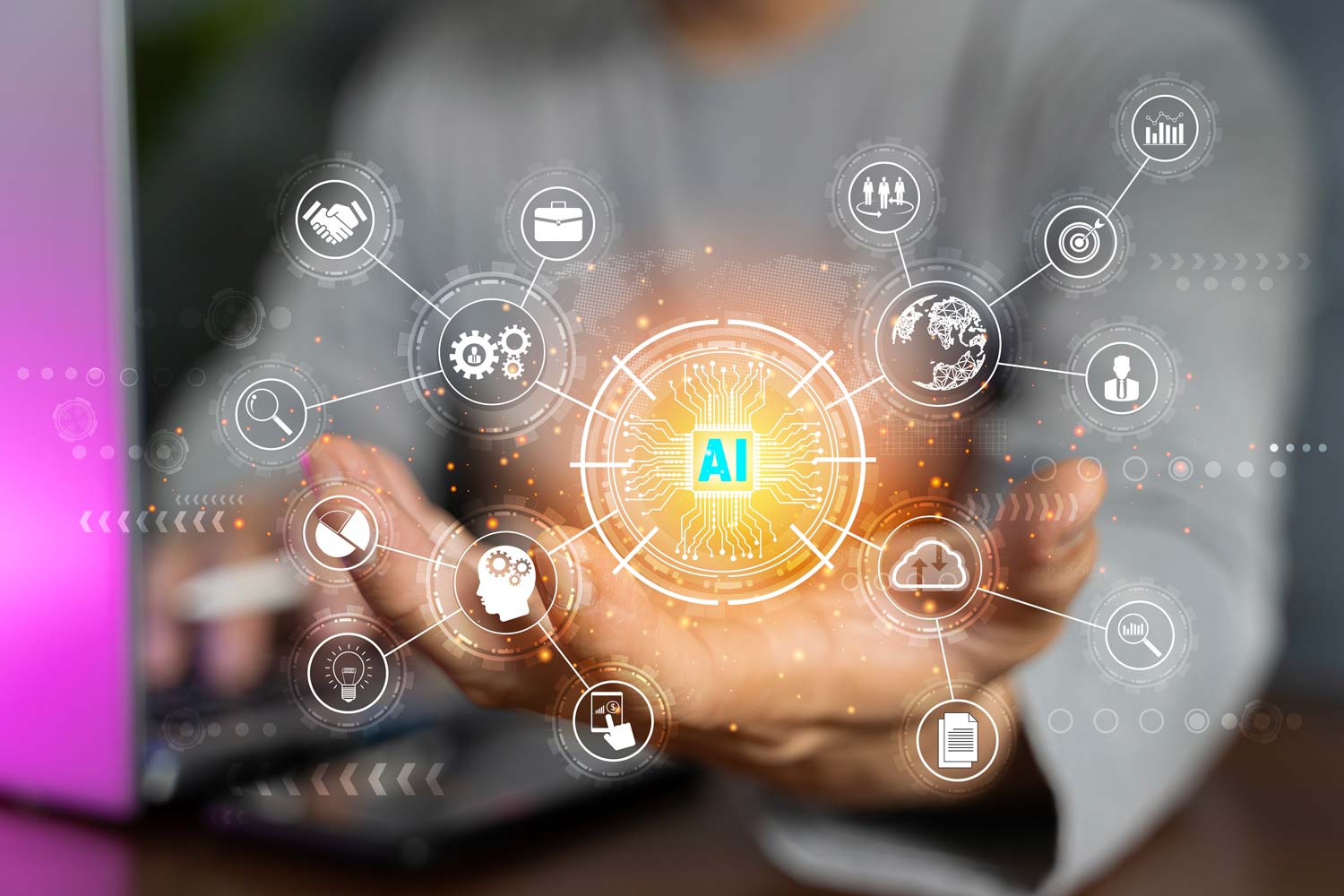
Tactus pairs the robot with fleet management and workflow optimization across departments, so tasks are scheduled and tracked rather than run one at a time. Where a sample goes and what happened to it still belongs in your lab system: the LIS or LIMS stays the system of record, and the robot's work has to show up there.
What we do: design the hand-offs between orchestration, the instruments and your LIS (Epic Beaker, CGM AP EASY or another), coordinate the interfaces with each vendor, and test them on real sample runs before sign-off.
A robot that moves between rooms needs Wi-Fi that hands it off cleanly from one access point to the next, in every corridor and corner it drives through. It needs its own segment with only the paths it uses open, a reachable connection to each instrument it runs, monitoring that shows when it drops off, and a safe stop when the network or the orchestration service is down.
What we do: this is our core work (CarolinaEMR is part of PazNetworks): wireless surveys along the robot's routes, VLANs and firewall rules for robot and instruments, uptime monitoring, and a tested plan for what the lab does when the robot is offline.

AS PRESENTED · NOT INDEPENDENTLY VERIFIED
Tactus introduced Elsie at the ADLM 2026 meeting in Anaheim in July 2026. Its materials describe a mobile, autonomous assistant ready to work alongside lab staff, an orchestration layer for fleets and workflows, and a skill library of validated, licensable capabilities, and they offer a Robot-Ready Assessment for labs considering it.
Features are described as presented by Tactus and have not been independently verified by CarolinaEMR; availability, pricing and licensing are set by Tactus.
What we do: before or alongside Tactus's own assessment, we check the parts it depends on that we own: wireless coverage along the routes, network segmentation, instrument connectivity, LIS interfaces and the offline plan. You come out with a readiness report and a fix list.

UPDATED OCTOBER 2026
What laboratory leaders are asking about in 2026, as staffing stays tight and robots move out of the cage and onto the bench.

Robots that use the instruments a lab already owns, instead of a new line that replaces them.
Loading and unloading through the night so instruments keep running when the bench is unstaffed.
Each robot task treated like any change to a procedure: tested, documented and approved by quality.
Clearing routine faults on site before a field engineer is called, to cut instrument downtime.
Every action the robot takes traceable in the lab system, so chain of custody is not lost to automation.

How we get a lab robot-ready
Tactus and Elsie are trademarks of Tactus AI; Epic, Beaker, CGM AP EASY and other names are trademarks of their respective owners. CarolinaEMR is an independent consulting firm and is not affiliated with or endorsed by Tactus.

We use essential cookies to run this site. With your permission we also use analytics cookies to understand how the site is used, and marketing cookies to measure our campaigns. See our Cookie Policy and Privacy Policy.